Sewer Line Repair · Cincinnati, OH
Sewer Line Repair in Cincinnati
Use camera footage, distance, surface location, pipe condition, and responsibility boundaries to compare cleaning, spot repair, lining, bursting, or excavation.
Sewer line repair is the primary service. Camera inspection identifies the defect, while cleaning, spot repair, trenchless rehabilitation, or excavation addresses the documented condition.
Request sewer line repair contact
Describe the property issue. An independent local provider may contact you after the request is reviewed.
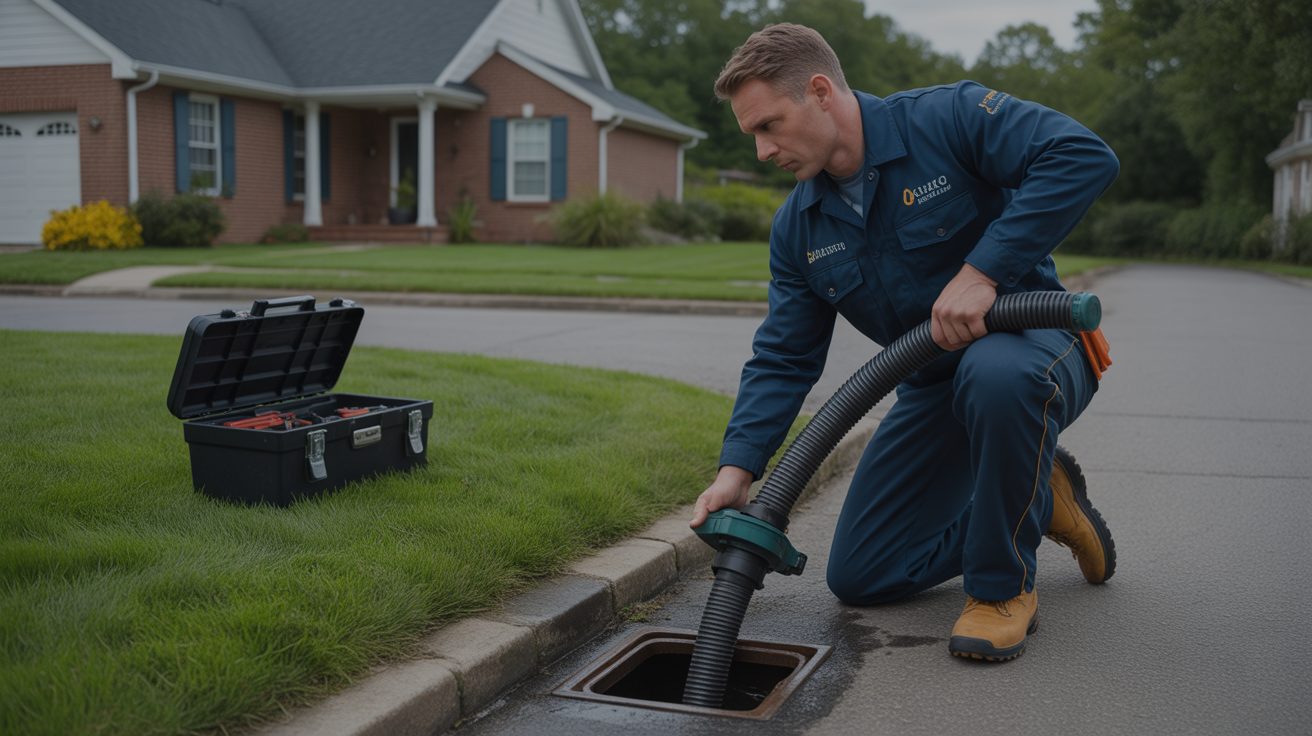
What to do before provider contact
Four things that protect your home and your insurance claim in Cincinnati.
- Stop using water in the house — every flush or load of laundry adds to a backup
- Don't pour chemical drain openers into a fully backed-up line — they can't reach a blockage under standing water
- Photograph any sewage backup, wet spots, or sinkholes in the yard before cleanup
- Note which fixtures back up first — it helps pinpoint where the line is blocked
Camera evidence before sewer line repair
Start repair decisions with a recorded diagnosis. Emergency backup response can restore safe use, but permanent cleaning or repair should follow the documented location, material, and severity.
Record the full reachable route
Keep the video file, access point, visible material, distance counter, defect stations, stopping point, and whether the public main connection was reached.
Locate the repair limits
Relate camera distance to a surface locator mark, depth, route, structures, drives, landscaping, and public right of way before pricing excavation or access pits.
Compare like for like
Normalize cleaning, repair length, method, permits, utility coordination, surface restoration, postwork video, exclusions, timing, and warranty across proposals.
How the process works
A written service scope should separate and document each stage.
Camera inspection first
A CCTV crawler camera runs the full line and records exactly where the problem is and what it is — no guessing, no exploratory digging.
Diagnose the fix
Root intrusion, a bellied section, a collapsed joint, and grease buildup all need different repairs — the footage decides which.
Repair — trenchless where possible
CIPP lining or pipe bursting fixes most lines from access points, often without tearing up the yard or driveway.
Verify & warranty
A follow-up camera pass confirms the repair, and you get documentation of exactly what was done and where.
Four repair methods, four different situations
The right fix depends entirely on what the camera finds — here's when each method actually wins.
| Method | Best for | What it involves |
|---|---|---|
| Sectional / spot repair | A single localized crack, joint separation, or small root intrusion | Small access pit; repair sleeve or patch at the exact defect |
| CIPP lining (trenchless) | Widespread cracking, root intrusion, or corrosion along a long run | Resin-saturated liner pulled or inverted through the pipe, cured in place |
| Pipe bursting (trenchless) | Badly undersized, collapsed, or severely bellied pipe needing full replacement | A bursting head fractures the old pipe outward while pulling a new one in behind it |
| Open-trench excavation | Severe misalignment, multiple failure points, or shallow easy-access lines | Full dig to expose and replace the line directly — most disruptive, most certain |
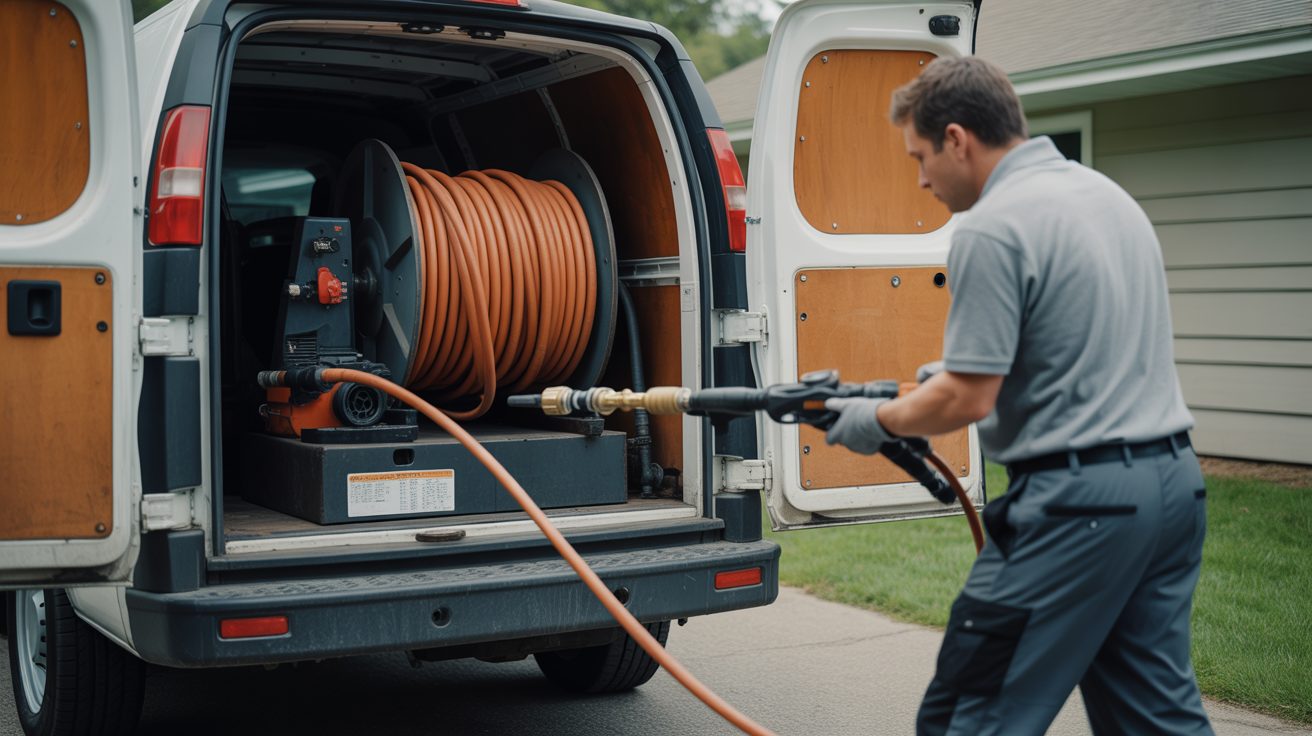
Ask whether the delivered inspection uses a documented coding method such as NASSCO PACP and whether the provider holds any certification it claims.
What sewer line problems costs in Cincinnati
Planning ranges are not bids. Ask the provider for a written, itemized scope before authorizing work.
| Scope factor | What to confirm in writing |
|---|---|
| Damage and affected materials | Areas, quantities, and work limits |
| Equipment and monitoring | Units, days, readings, and completion standard |
| Repairs and exclusions | What is included, excluded, and subject to change |
Service scope options
Sewer Line Repair
Slow drains, sewage backing up, or a wet patch in the yard that won't dry — a camera inspection tells you exac…
Water Damage Restoration
Standing water requires a scope covering extraction, moisture mapping, drying, contamination controls, and closeout records.
Emergency Sewer Repair and Backup
Stop fixture use, protect people from wastewater, determine whether the public main is involved, and document the private line before repair.
Who pays — and does insurance help?
The three answers that matter for sewer line problems in Ohio.
Usually your responsibility
The private line or drain within your property boundary is typically the owner's responsibility to maintain and repair, camera inspection or not.
Sometimes the utility's
The public main under the street is generally the water utility or council's responsibility — a camera survey shows exactly where your line ends and theirs begins.
Where insurance fits
NFIP flood coverage — check your policy's endorsement list rather than assuming either way.
Built for Cincinnati
Cincinnati's building stock still runs on century-old clay laterals, and MSD's combined-sewer system means a heavy storm can back up a line that was fine yesterday.
Requests may be submitted for properties in Cincinnati and the surrounding communities of Norwood, Covington, Newport, Blue Ash, Cheviot and Anderson Township.

Common questions
ResponsibilityIs the sewer line my responsibility or the city's?
In almost every jurisdiction, you own and maintain the lateral from your house to the property line or the main connection point — the city or utility is typically only responsible for the main line under the street. A camera inspection shows exactly where a problem sits relative to that line.
DiagnosisWhy does every quote start with a camera inspection?
Because a sewer line is invisible until it isn't. Root intrusion, a bellied (sagging) section, and a fully collapsed pipe all cause the same symptoms above ground but need completely different repairs — camera footage is the only way to quote the actual fix instead of the worst-case one.
MethodTrenchless repair or dig it up — how is that decided?
CIPP lining and pipe bursting both work inside the existing pipe path and typically need only small access pits, saving the lawn, driveway, or hardscaping above. Severely misaligned, crushed, or bellied sections usually still need open excavation — the camera inspection tells you which situation you're in.
InsuranceDoes insurance cover a sewer line backup?
Coverage depends on the cause and policy. Document the damage, contact the insurer, and request a detailed provider scope; no contractor can guarantee a claim outcome.